Everyone warned me that July is the wrong month for Melbourne. It is the middle of the Australian winter, the days are short, and the sky can change from blue to drizzle three times before lunch. I went anyway, and I am glad I did. Winter is when this city feels most like itself: people queue for coffee in thick coats, steam rises from cups on outdoor tables, and the laneways glow warmly by four in the afternoon.
I spent four days in the centre with a friend, without a car or much of a plan. Here is what worked for us.
Arriving and Getting Around for Free
From the airport we took the SkyBus straight into the city. It finishes at Southern Cross Station on the western edge of the centre, which is a good base because so many trains, trams and hotels are clustered around it.
The best surprise was the Free Tram Zone. Inside the central grid of the city, roughly from Southern Cross across to the Parliament side and from the river up to the market, you can hop on any tram without touching on a card. Stops inside the zone have signs saying so, and the announcements remind you when you are about to leave it. Almost everything in this post is inside the zone, so we only needed a myki card on the day we went out to the suburbs. On a wet morning, jumping on a tram for two stops instead of walking felt like a luxury.
Flinders Street Station and the Laneways
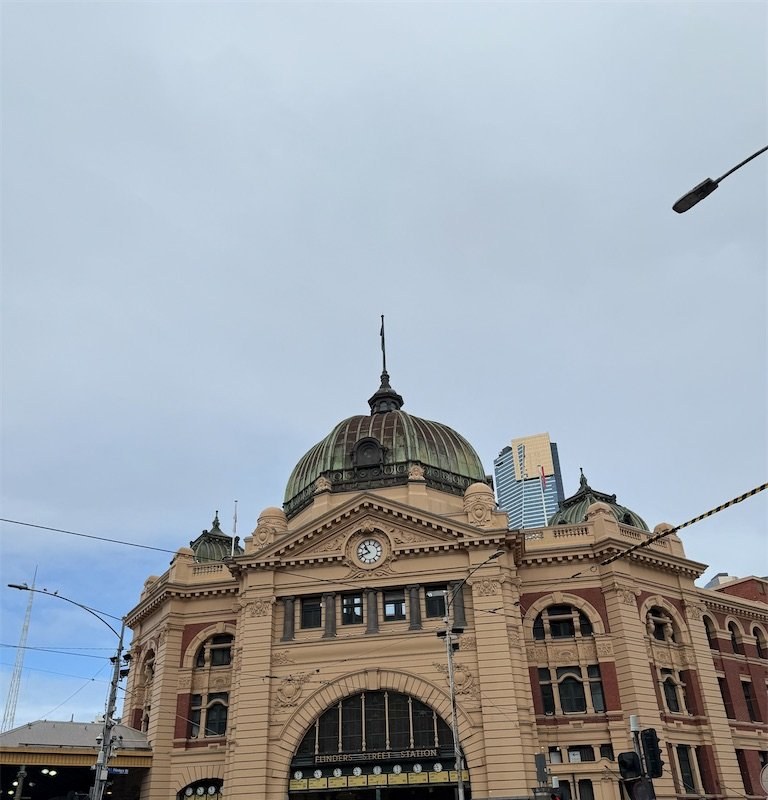 The yellow and red facade of Flinders Street Station under a grey winter sky
Every walk we did seemed to start or end at Flinders Street Station, the big yellow building with the row of clocks above the entrance. Opposite it is St Paul’s Cathedral, and on the other corner is Federation Square, which looks very modern next to the old station. On our coldest morning we ducked into NGV Australia at Fed Square to warm up. It focuses on Australian art, is much bigger inside than it looks, and is a calm place to wait until the shops open.
The area just north of the station is full of narrow lanes lined with tiny cafes, bakeries and shops. Each one has its own little hanging sign in a different shape, and even on a grey day people were sitting at the outdoor tables, wrapped in scarves, chatting over their flat whites. We kept getting lost on purpose.
Hosier Lane
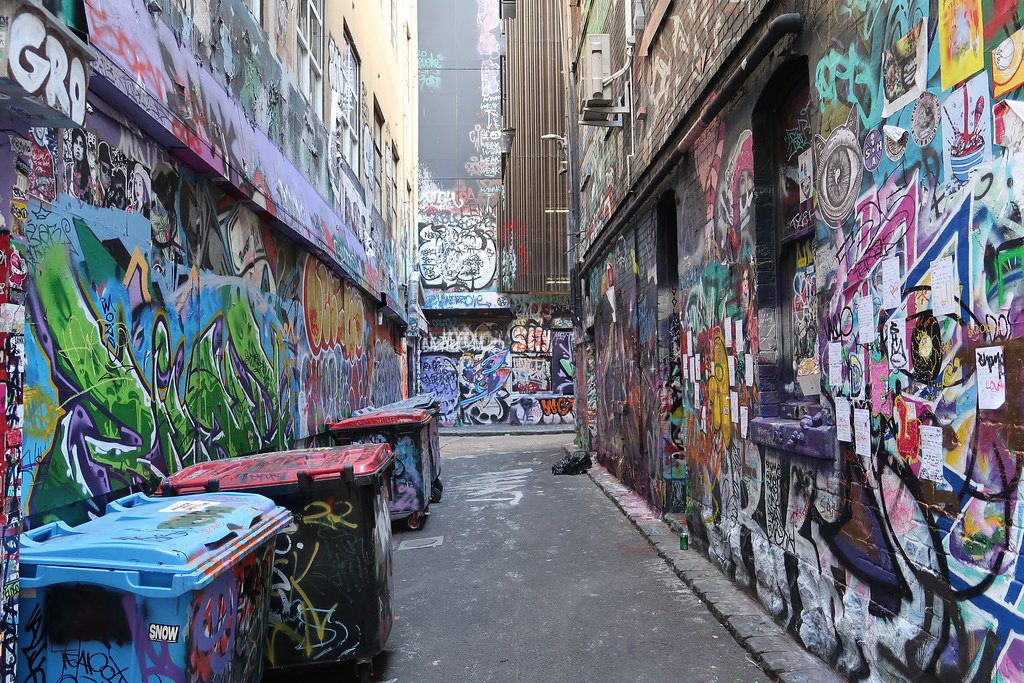 Graffiti and street art covering both walls of Hosier Lane in Melbourne
Two minutes from the station is Hosier Lane, the famous street-art laneway. It is short, a bit rough, and covered in paint from the ground up. The pieces change all the time, so what you see will not match anyone else’s photos. Go in daylight; it feels much nicer when other visitors are around.
Degraves Street and Melbourne Coffee
If you only have time for one coffee street, make it Degraves Street, right across Flinders Street from the station. It is short and packed with cafes, with tables running down the middle of the lane. Degraves Espresso and The Quarter are two of the well-known names, but honestly you can pick any place with a free seat.
Coming from Vietnam, where coffee is strong, sweet and usually iced, I was curious what the fuss was about. Melbourne coffee is smaller and smoother, almost always with milk, and the baristas take it very seriously. By day three I was ordering a flat white every morning without thinking. Non-coffee drinkers are well looked after too: many cafes serve proper hot chocolate, and we saw one place toasting marshmallows with a little torch on top of each cup.
Queen Victoria Market
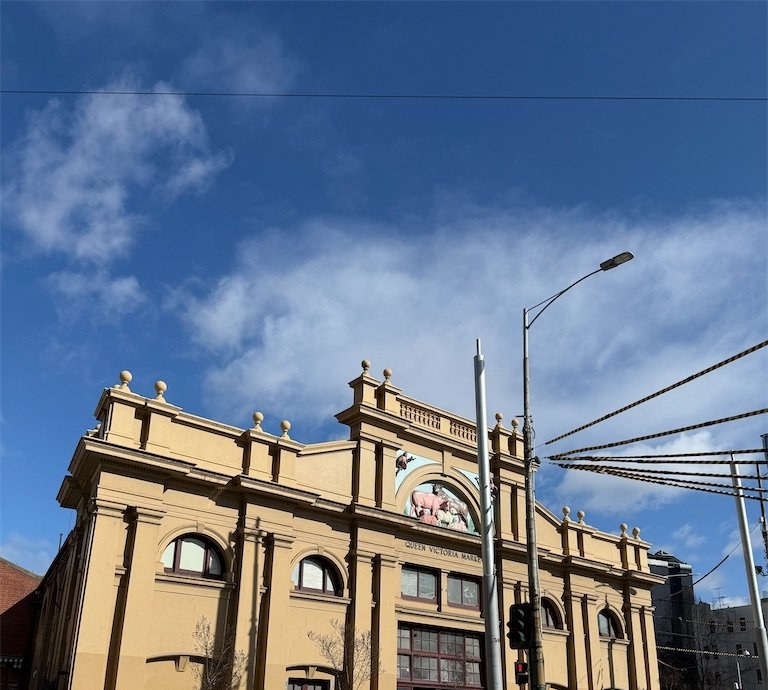 The old corner building of Queen Victoria Market against a blue winter sky
On our third morning we took the tram up to Queen Victoria Market. It has been trading since the 19th century and is said to be the largest open-air market in the Southern Hemisphere. From the street it looks smaller than expected, but once you walk in you realise the sheds go on and on.
The market is closed on Mondays and Wednesdays during the day, so check the official website before you go. We arrived around 9 am, when the outer stalls were still setting up and it was quiet enough to look around properly.
The Food Halls
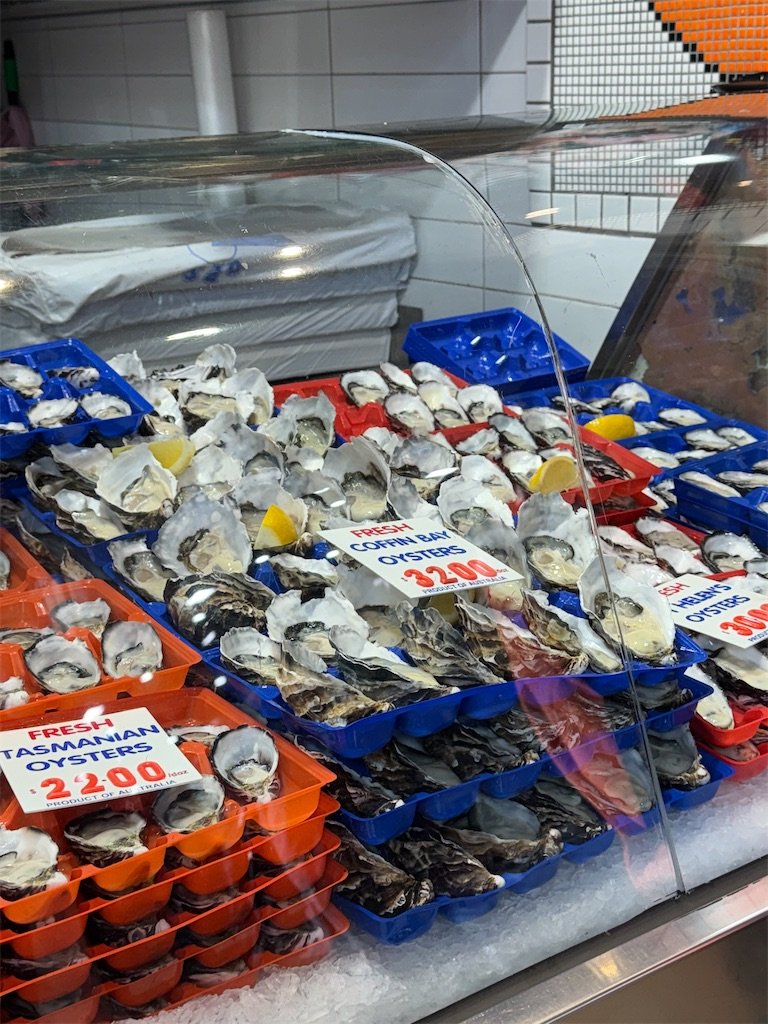 Trays of fresh oysters on ice at Queen Victoria Market
The indoor halls are where locals really shop: oyster stalls with whole trays on ice, delis hung with salami, and butchers whose displays are so neat they look like art.
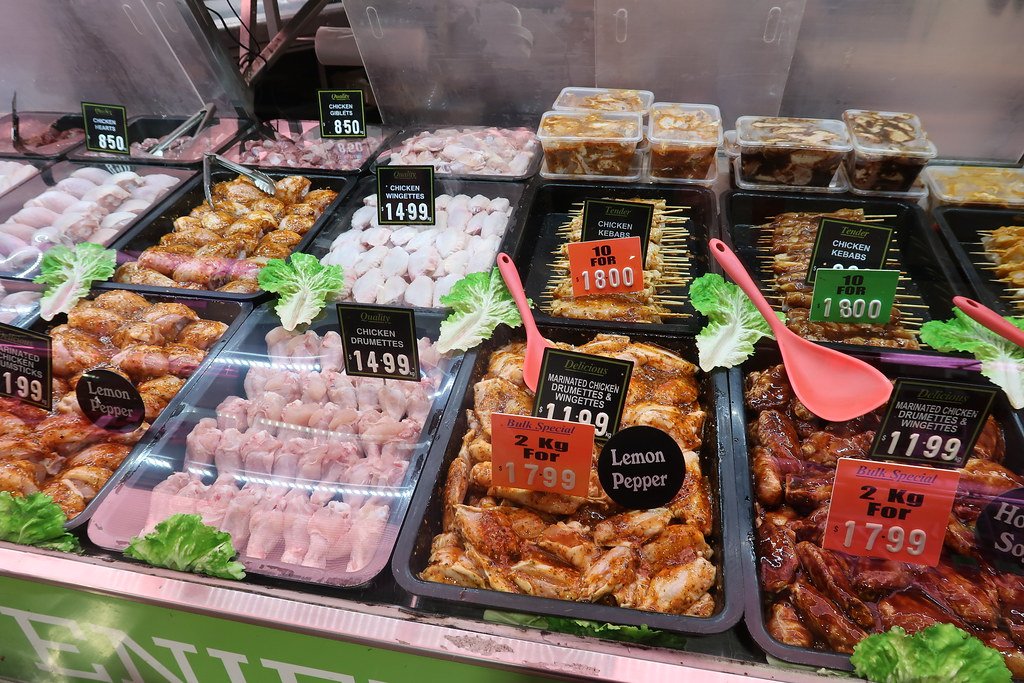 A butcher's counter with marinated meats and skewers at Queen Victoria Market
I grabbed a sausage in a bun from one of the hot food stalls and ate it on the benches outside, surrounded by locals walking their dogs. There is also a famous hot doughnut van near the general merchandise area. The queue was about forty people long, so I gave up.
Souvenirs and Second-Hand Books
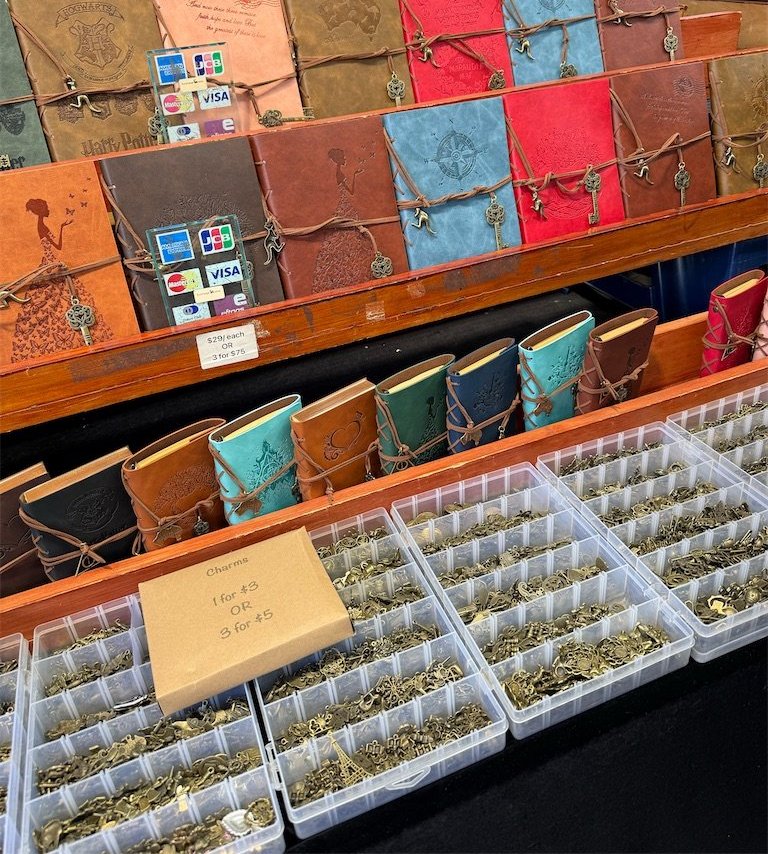 Leather-bound notebooks and small trinkets at a souvenir stall in Queen Victoria Market
The general merchandise sheds sell the usual mix: socks with Australian animals, leather notebooks, phone cases and a lot of suspiciously cheap “cashmere” scarves. More interesting was a small book market at the edge, with plenty of titles in languages other than English.
In winter the market also runs a night market on Wednesday evenings, with food stalls and live music. We missed it, so put it on your list if your dates line up.
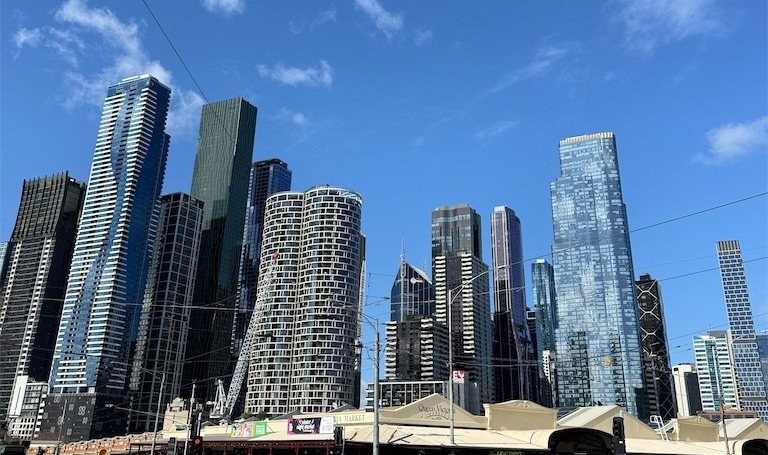 Melbourne skyscrapers rising behind the low sheds of Queen Victoria Market
When we walked back to the tram stop and turned around, the low old market roofs with the glass towers rising right behind them made one of my favourite views of the trip.
Tips for Melbourne in Winter
- Pack real winter clothes. Daytime is usually cool rather than freezing, but the wind and rain make it feel colder. A warm jacket, an umbrella and comfortable waterproof shoes are enough.
- Use the Free Tram Zone. Stay inside the centre and you can skip buying tickets on most days.
- Start early. It gets dark early, so do the market and outdoor walks in the morning, then save galleries and cafes for the afternoon.
- Shop the sales. Because the seasons are reversed, summer clothes are often on sale and winter gear is reasonably priced.
Final Thoughts
Melbourne in winter is not a beach holiday, and that is exactly why I liked it. The city is compact, the trams are free in the centre, and there is always a warm cafe, gallery or market hall a few steps away when the rain starts. What stayed with me most was how relaxed it felt: nobody rushing, everyone happy to sit with a coffee and watch the lane go by. Bring a good jacket, and give yourself at least three slow days.