Before this trip, a friend who had lived in California gave me one piece of advice: “Pack a jacket. San Francisco in July is not summer.” I laughed, because in Saigon July means heavy rain and thirty-something degrees. Then I stepped out of the station on my first morning into a cold grey wind and understood. San Francisco summers are famous for fog that rolls in from the Pacific, cooling the city while everywhere inland is baking. Some days it burned off by noon and the sun was hot; other days the bridge stayed hidden until evening.
My friend and I spent four days here without a car, and it was easy. Here is how we did the classic sights.
Riding the Cable Cars
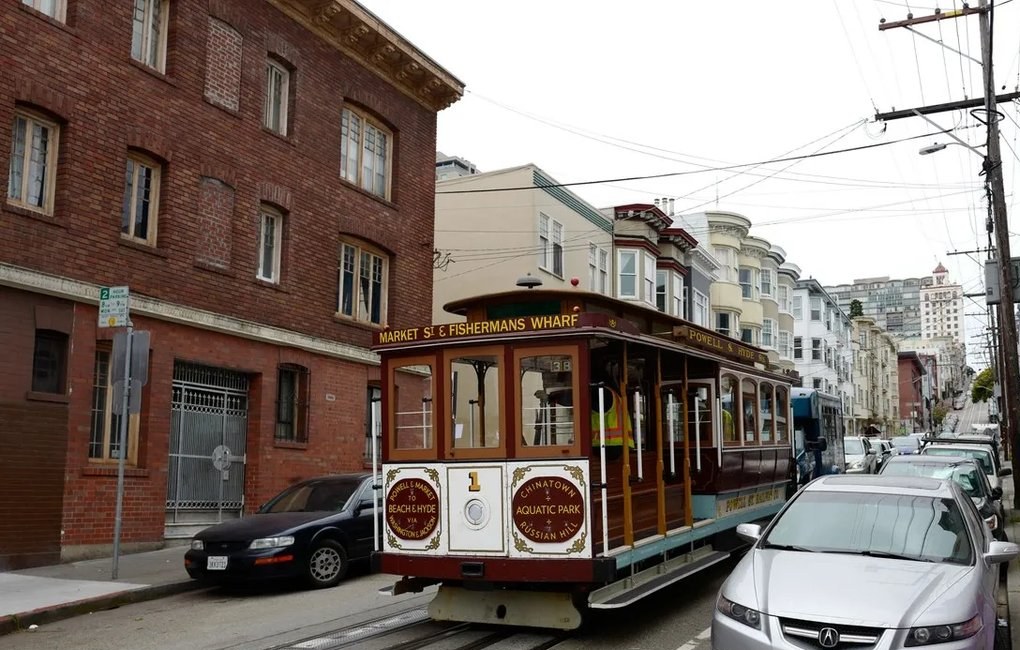 A red and cream Powell-Hyde cable car climbing a hilly San Francisco street
The cable cars are the last manually operated cable car system in the world, running since the 1870s. There is no engine on board: the car grabs a steel cable that moves constantly under the street, and the operator works the brakes with his whole body on the steep downhill sections.
There are three lines, and the best one for visitors is the Powell-Hyde line. It starts at the turntable at Powell and Market, where you can watch the crew push the car around by hand, climbs over Russian Hill past the top of Lombard Street and then drops down the steepest hill in the system to the bay near Fisherman’s Wharf.
A single ride costs around 8–9 USD, so if you plan to ride more than once, buy a Muni visitor pass in the MuniMobile app that includes cable cars. It also covers buses and trams, which we used constantly. The queue at the Powell Street turntable can be very long. A local tip that worked for us: walk a few blocks up the line and hop on at a regular stop. Sit or stand on the outside step for the best views, and hold on tight.
Lombard Street
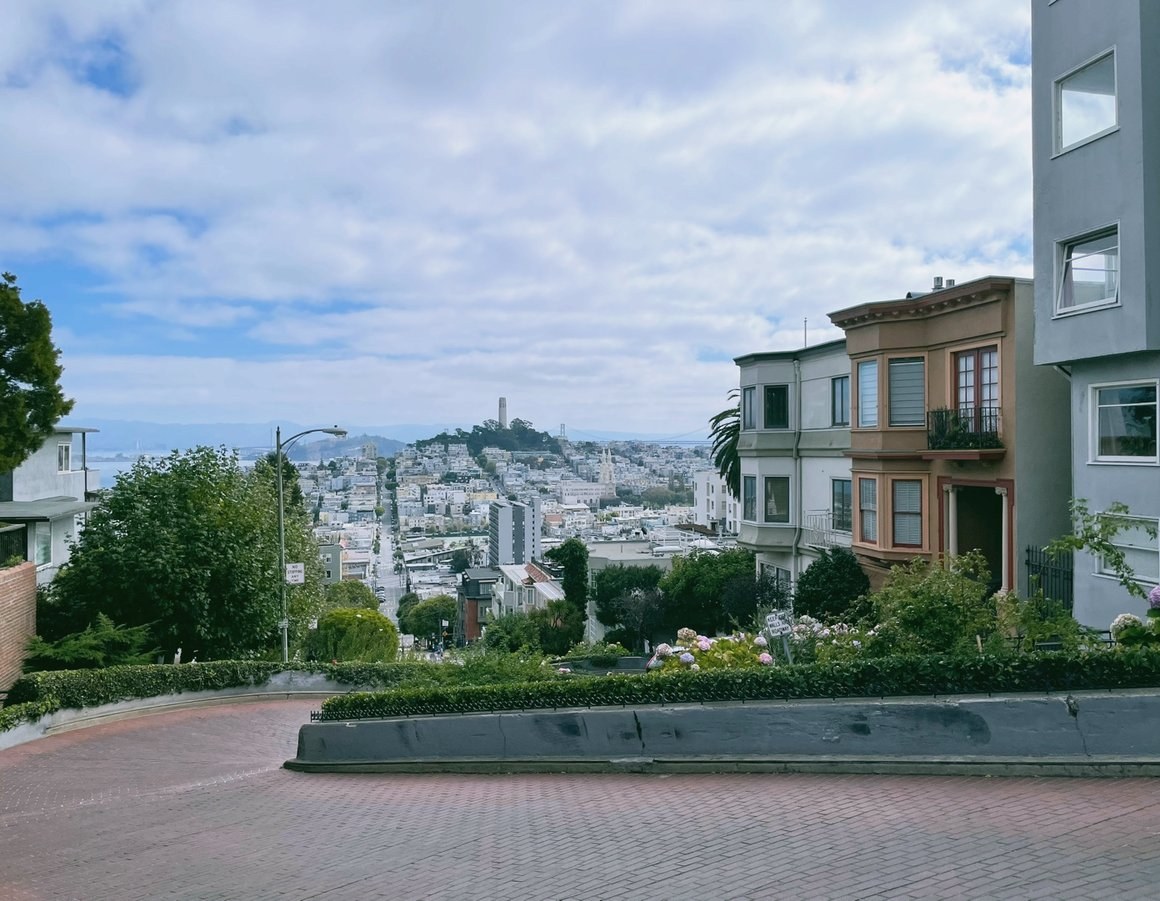 View from the top of Lombard Street toward Coit Tower and San Francisco Bay
We jumped off the cable car at Hyde Street, right at the top of Lombard Street, often called the crookedest street in the world. The famous one-block stretch between Hyde and Leavenworth has eight tight hairpin bends, built because the original slope was too steep for cars.
From the top you look straight down the hill toward Coit Tower and the bay, with hydrangeas and neatly clipped hedges along the brick road. Walk down the stairs on the side, then turn around at the bottom by Leavenworth Street. That is where you get the classic shot of the whole zig-zag at once.
Fisherman’s Wharf and the Sea Lions
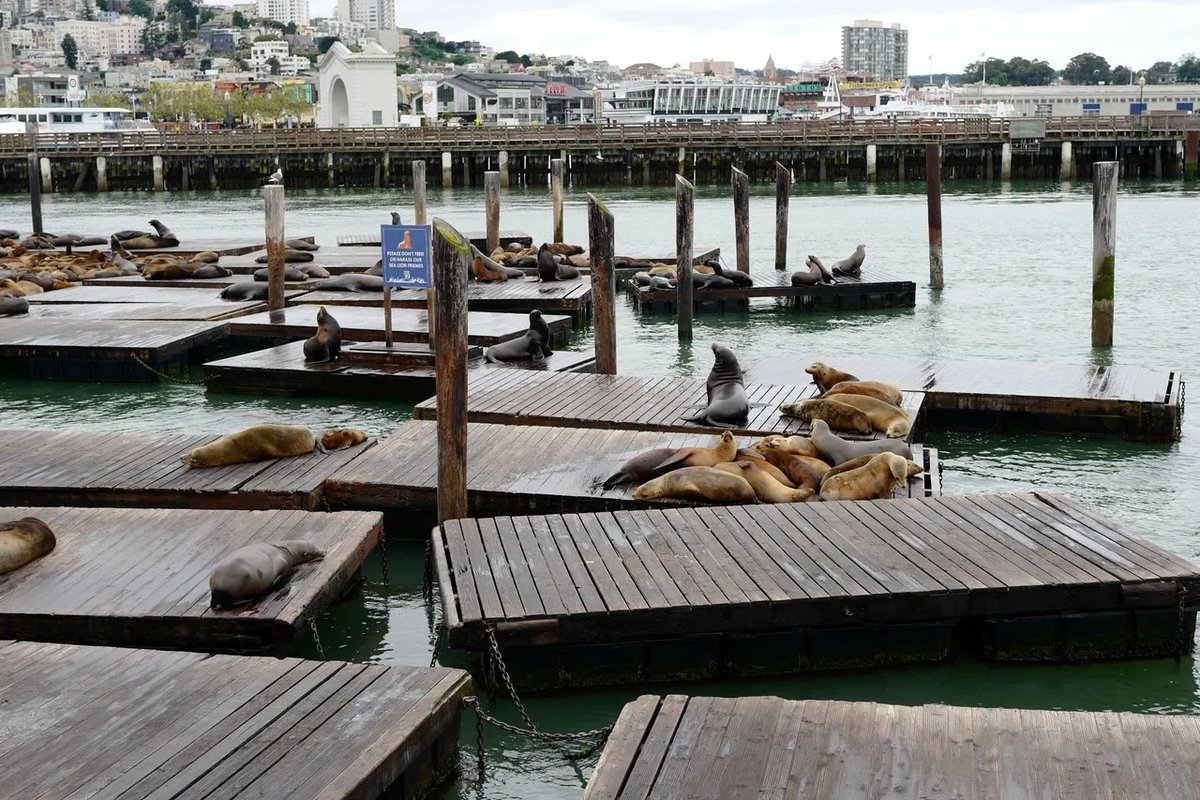 California sea lions resting on floating wooden platforms at Pier 39
From Lombard Street it is an easy walk down to the waterfront. Pier 39 is full of souvenir shops and restaurants, but the real stars are the California sea lions lying on the floating docks next to it. They moved in after the 1989 earthquake and never left. They mostly sleep, shove each other off the best spots and bark loudly, and I could have watched them for an hour. In summer some of them head north to feed, so there may be fewer than you see in photos.
We walked along the bay from Pier 39 to Ghirardelli Square, past small parks and shops. That afternoon the fog had cleared and it was suddenly hot, so we took a bus for the last part. For lunch, try cioppino, a tomato seafood stew invented by Italian fishermen at the wharf. It comes in a huge bowl full of mussels, clams, prawns, fish and crab, with sourdough bread for dipping.
The Golden Gate Bridge
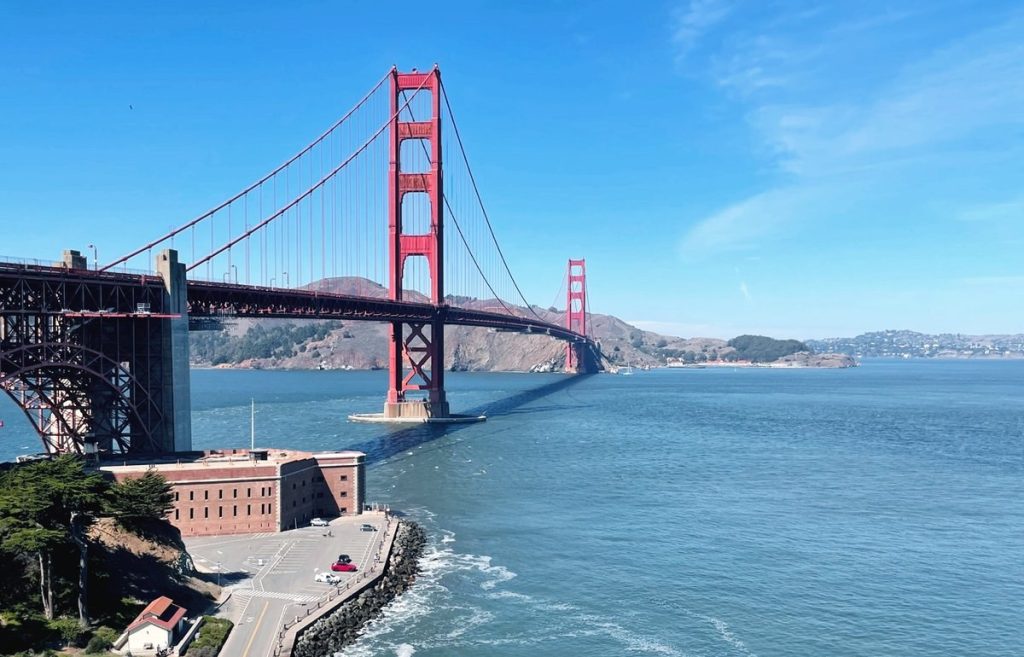
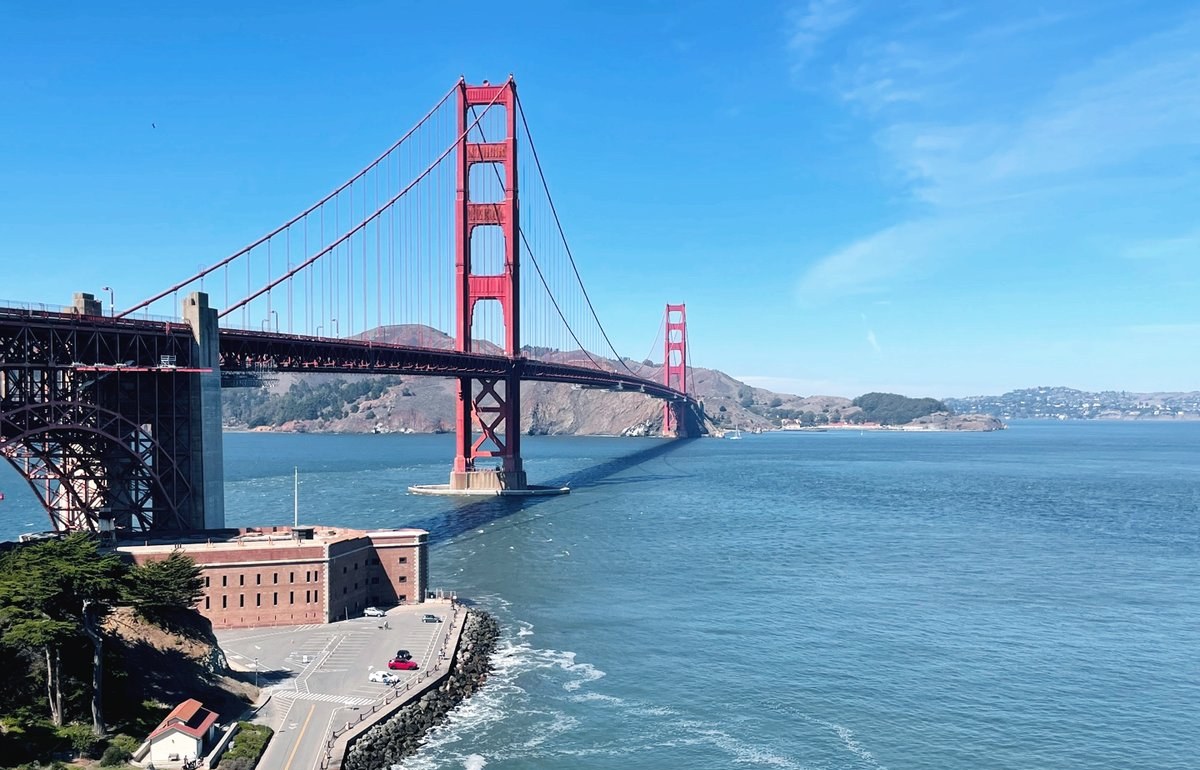 The Golden Gate Bridge under a clear blue sky seen from near the Welcome Center
The Golden Gate Bridge opened in 1937, and its famous colour, officially called International Orange, was chosen partly so it would stand out in the fog. From near Ghirardelli Square a city bus took us to the Golden Gate Bridge Welcome Center at the southern end. We were lucky that afternoon: blue sky, bright orange towers and the old brick fort sitting right under the span.
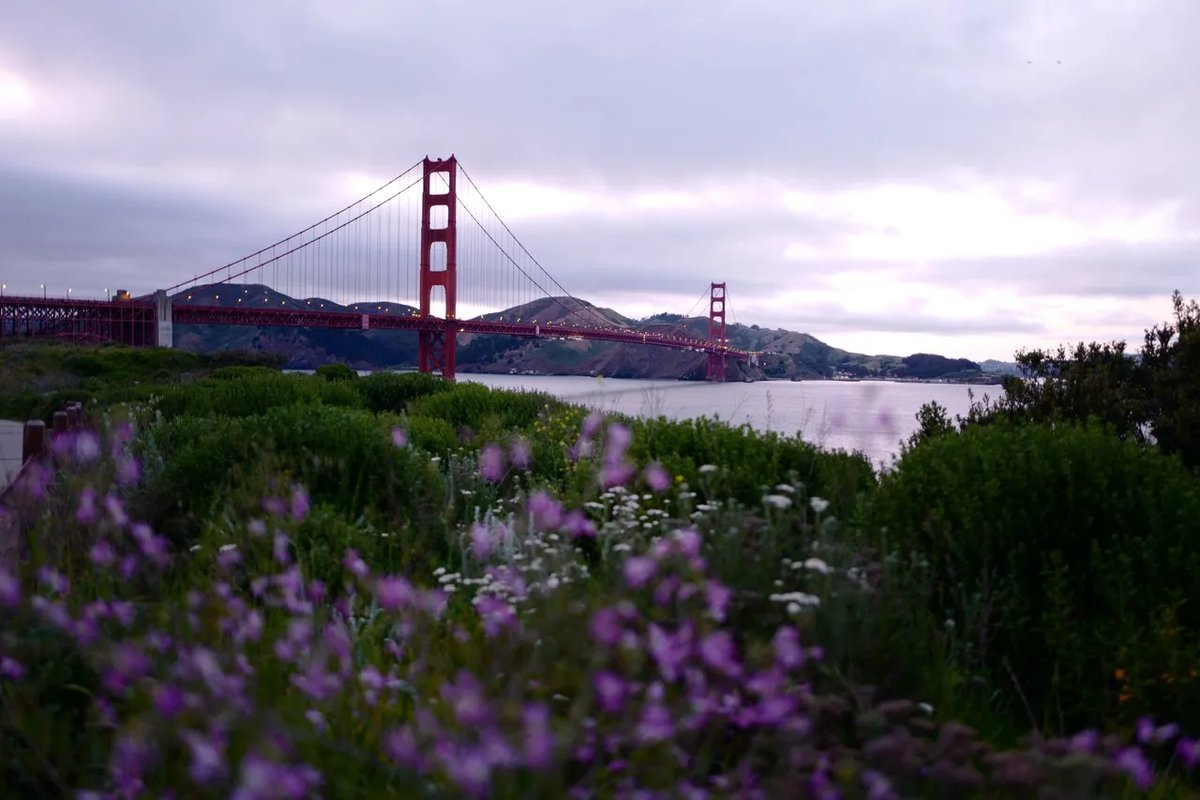 The Golden Gate Bridge under grey summer cloud with purple wildflowers in the foreground
Two days later we came back at sunset, and it was a different place: a grey ceiling of cloud pressing down on the water, a cold wind, and purple wildflowers covering the slopes. Honestly, this foggy version is the bridge most people see in summer, and I found it just as beautiful.
A few viewpoints worth knowing: Battery Spencer on the Marin side is the highest and most dramatic but very windy, Fort Point sits right under the bridge, and Baker Beach and Crissy Field give you sand and the bridge together.
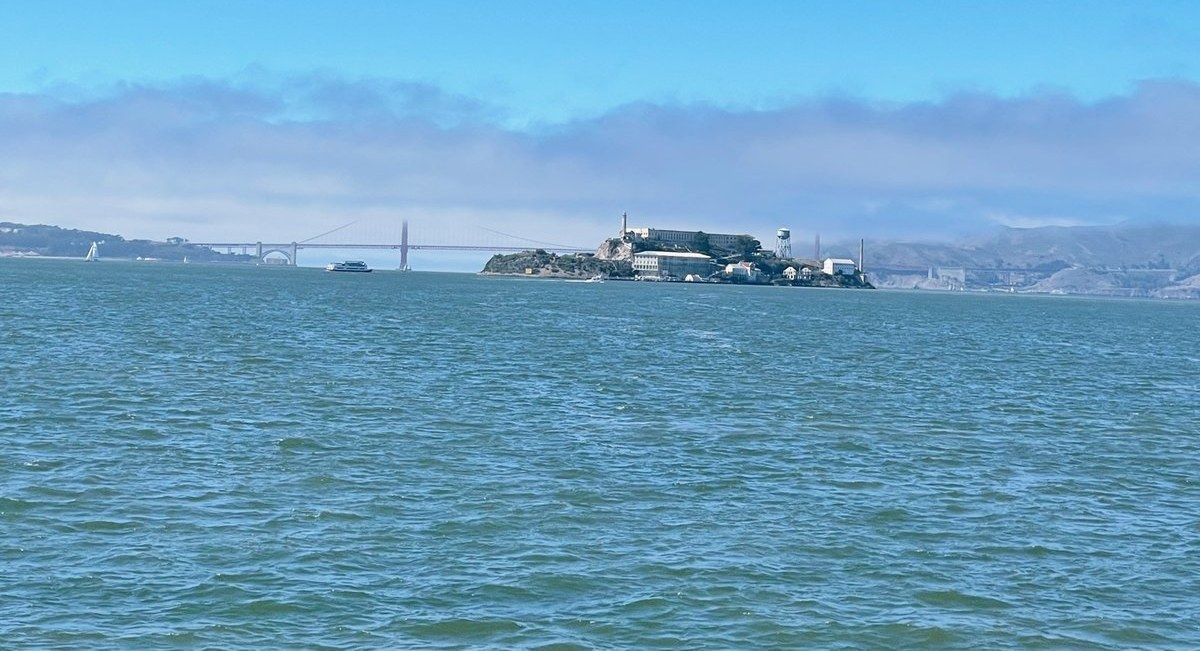 A bank of summer fog behind Alcatraz Island and the Golden Gate Bridge
On our last morning we took the ferry from the Ferry Building to Sausalito. The crossing takes less than half an hour and is very windy on deck, but it gives you a wonderful view back over the skyline, Alcatraz and a long wall of fog sitting on the Golden Gate.
Chinatown and Dim Sum
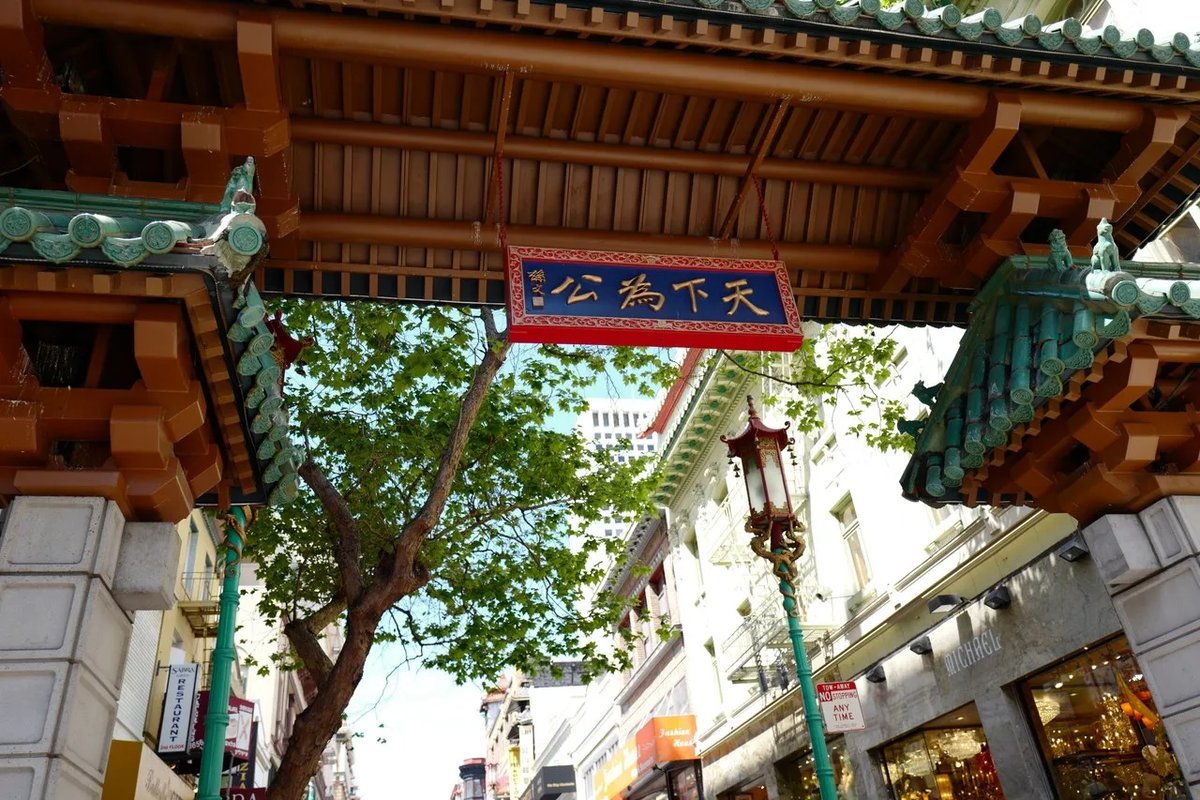 The green-tiled Dragon Gate at the entrance to San Francisco Chinatown
San Francisco’s Chinatown is the oldest in North America, and it still feels like a working neighbourhood, with herbal medicine shops, grocery stalls and elderly residents chatting in Cantonese. Enter through the green-roofed Dragon Gate at Grant Avenue and Bush Street, then wander until you find dim sum. We had rice noodle rolls and braised chicken feet, and they were better than many places I have tried outside Asia.
Tips for San Francisco in Summer
- Dress in layers. Mornings and evenings can be cold and windy even in July, while the afternoon sun can feel hot. A light jacket is essential.
- Check the fog before visiting the bridge. It often lifts in the afternoon, but not always.
- Skip the car. Cable cars, buses, trams and ferries cover everything here, and parking is expensive.
- Board cable cars mid-route. It can save you an hour of queuing at the turntable.
Final Thoughts
San Francisco is a city of hills, wind and constantly changing weather, and that is exactly what makes it fun. One hour you are sweating on a sunny pier, the next you are zipping up your jacket as the fog swallows the bridge. Ride the cable car at least once, say hello to the sea lions and give the Golden Gate two chances. If the fog hides it the first time, it is worth coming back.