On my previous trips to Tokyo I spent most of my time in Shibuya and Shinjuku, staring up at screens and skyscrapers. This time I wanted the other Tokyo: the shitamachi, or “low city”, where wooden houses, small family shops and old temples survived the modern rebuild. So I gave myself one long summer day to walk from Asakusa to the quiet lanes of Yanaka, Nezu and Sendagi, an area locals simply call Yanesen.
Fair warning: Tokyo in July is hot and sticky, easily as humid as Saigon in the rainy season. I carried a small towel, a bottle of tea and a folding fan, and I still sweated through two shirts.
Asakusa and Sensoji During the Hozuki Market
I timed my visit for the Hozuki-ichi, the lantern plant market held at Sensoji every year on 9 and 10 July. These two days are called Shiman-rokusen-nichi, “46,000 days”, because praying at the temple on this date is said to bring the same blessing as visiting every day for 46,000 days, which is more than 120 years. For a lazy pilgrim like me, that is an excellent deal.
The classic approach starts at the huge red lantern of the Kaminarimon gate, continues along the souvenir stalls of Nakamise street and arrives at the second gate, the Hozomon, with the five-storey pagoda standing beside it.
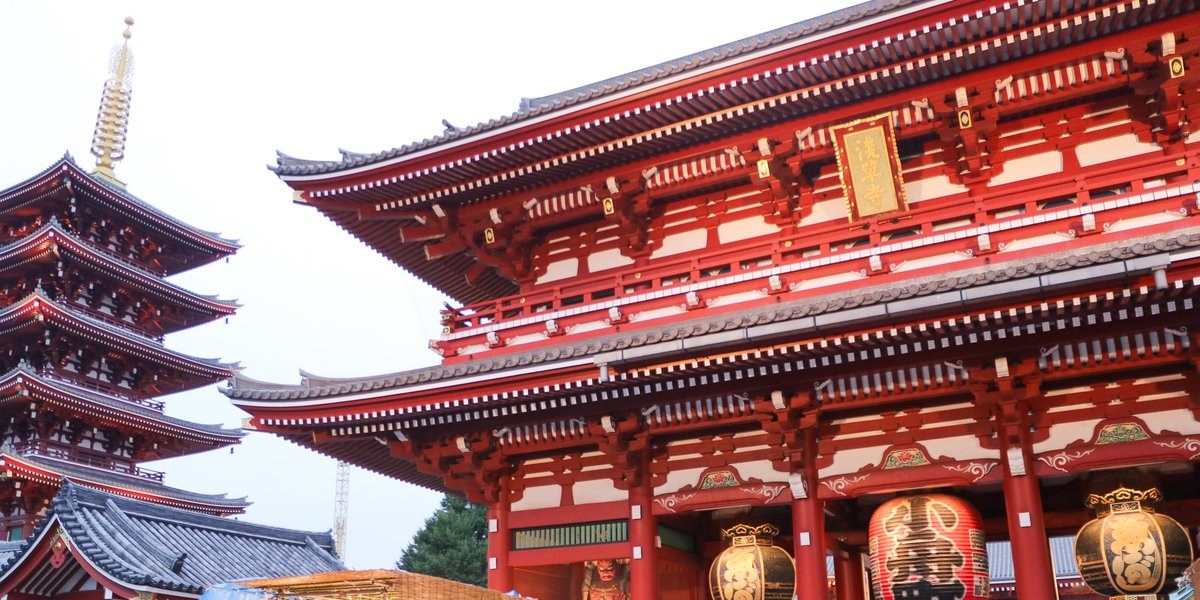 The red Hozomon gate of Sensoji with its giant lanterns next to the five-storey pagoda
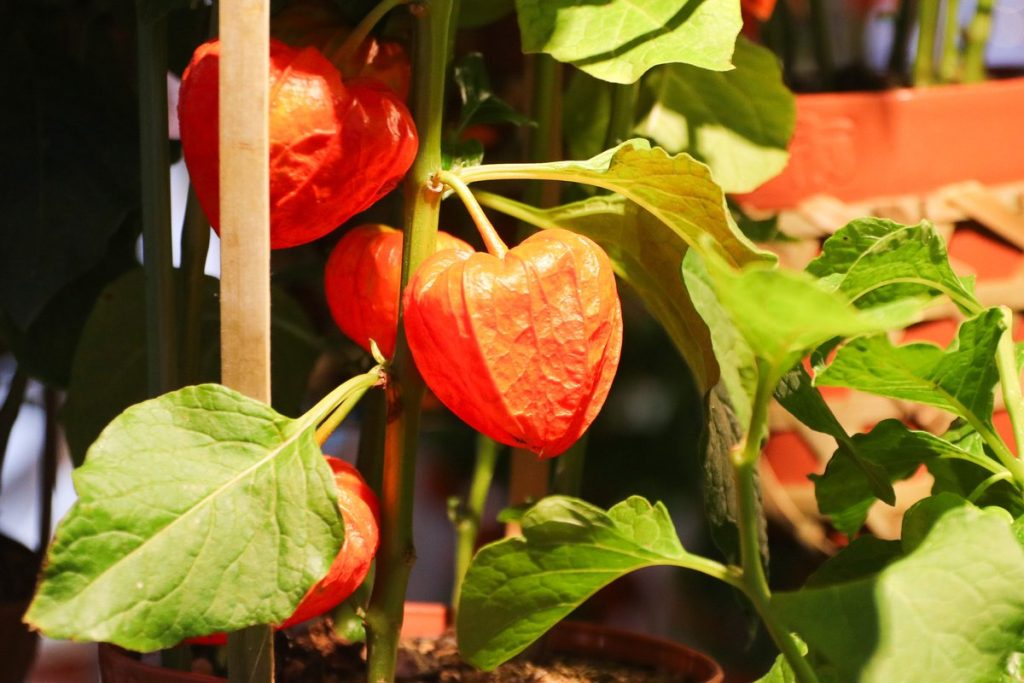
During the market, the area in front of the Hozomon and along the east side of the main hall fills with stalls selling potted hozuki (Chinese lantern plants). Their papery orange-red husks look like tiny lanterns, and every stall has its own style: some hang dozens of pots from the roof, others sell cut branches in clear bags or small woven baskets that are easier to carry home.
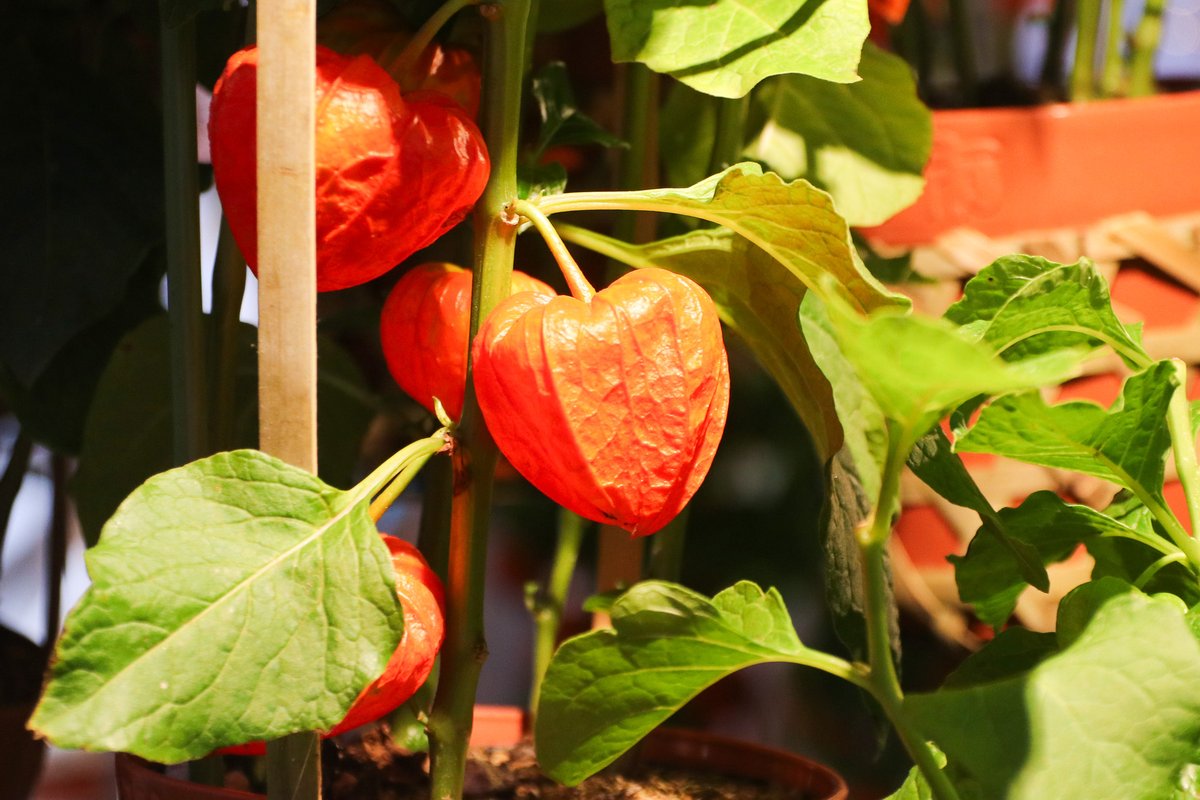 Bright orange hozuki lantern fruits on a potted plant at Sensoji
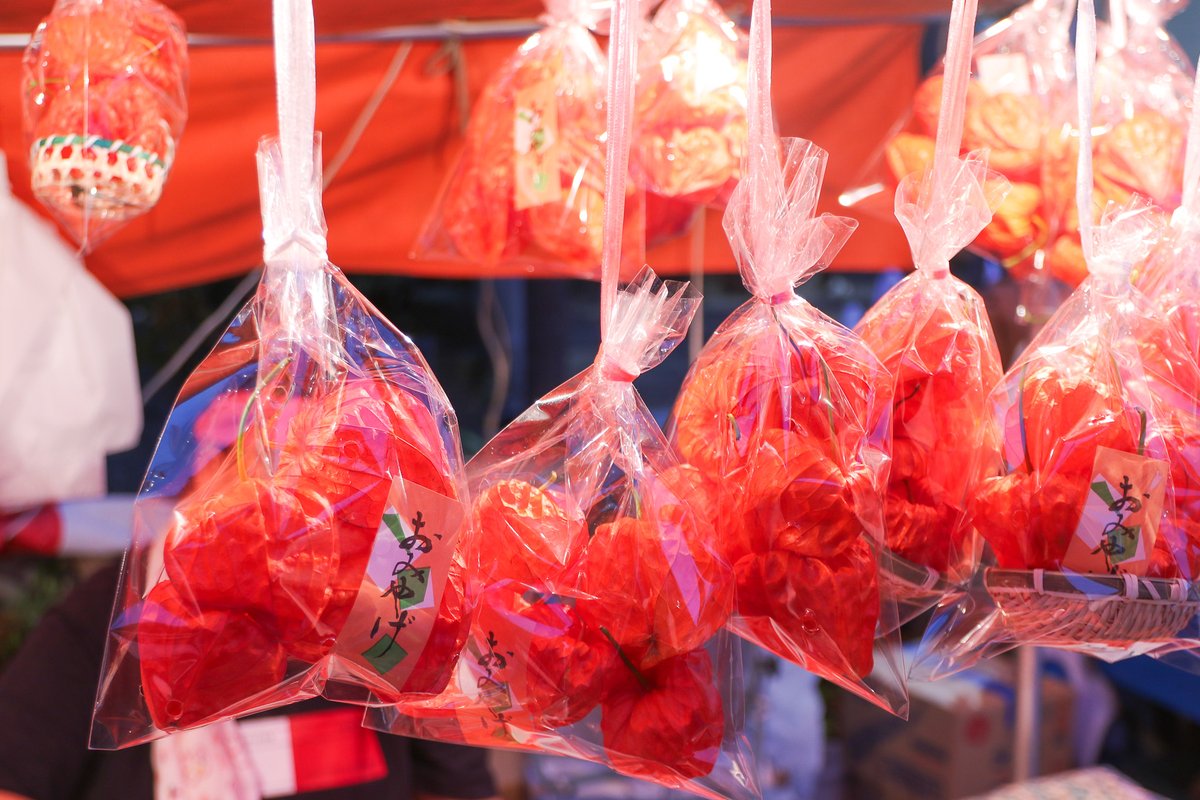 Bags of red hozuki fruits hanging from a market stall
Many sellers also hang glass wind chimes above the plants, decorated with fireworks or sunflowers. On a hot evening, the soft tinkling mixed with the sound of chanting from the main hall was the most summery moment of my whole trip.
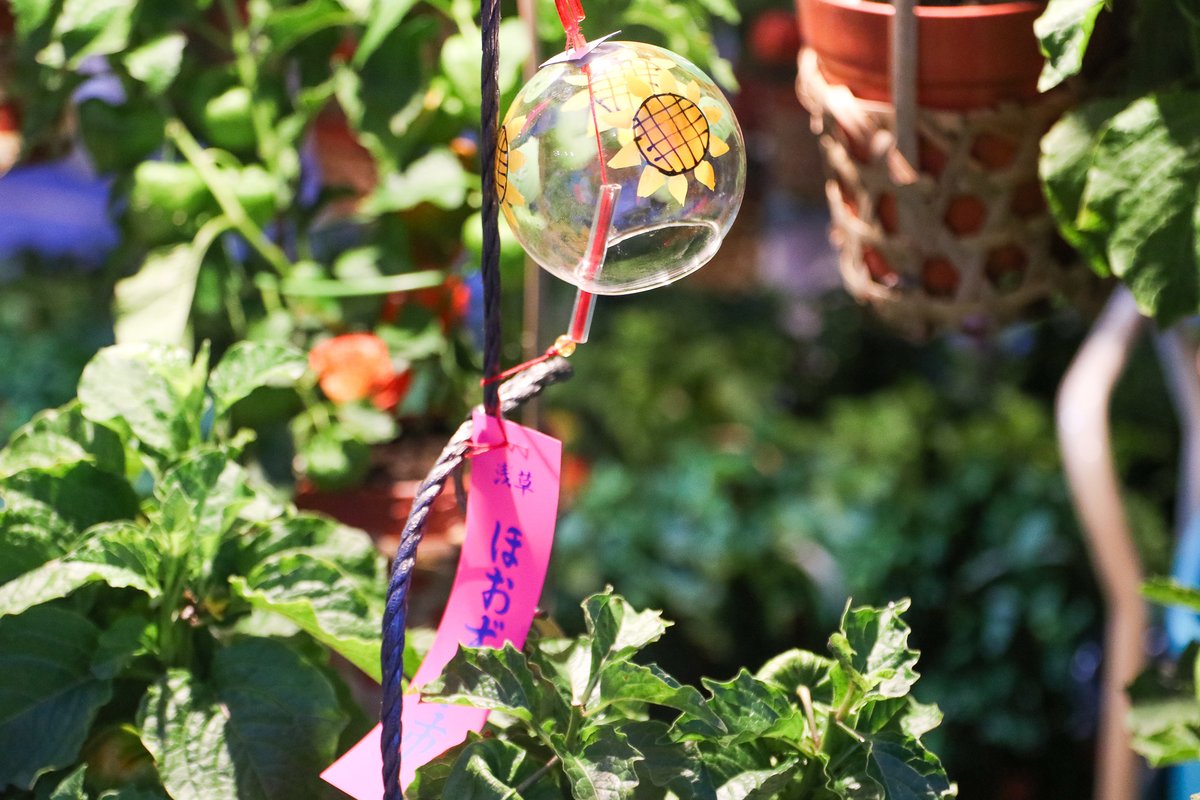 A painted glass wind chime hanging among green hozuki plants
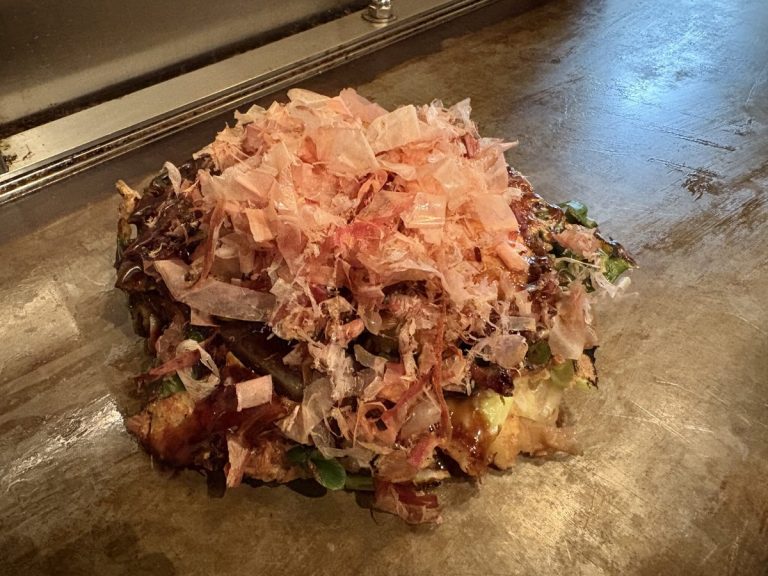
Two more things to look for. First, the special thunder-protection charms (kaminari-yoke), which the temple offers only on these two days. Second, the food stalls with festival classics like okonomiyaki and yakisoba. I would recommend coming in the late afternoon and staying until around 7 pm, when the sky goes dark and the lit-up red lanterns glow above the plants.
Yanaka: Old Tokyo on Foot
The next morning I took the train to Nippori Station, the easiest starting point for Yanesen. Look up as you leave the west exit: the station sign has been decorated with cat ears and paw prints, a hint of what is coming. From there, walk up the gentle Gotenzaka slope.
On the way, stop at the gate of Kyooji, a small temple founded in 1655. Its wooden gate, built in 1836, still has bullet holes from the 1868 Battle of Ueno, when defeated samurai hid inside the temple.
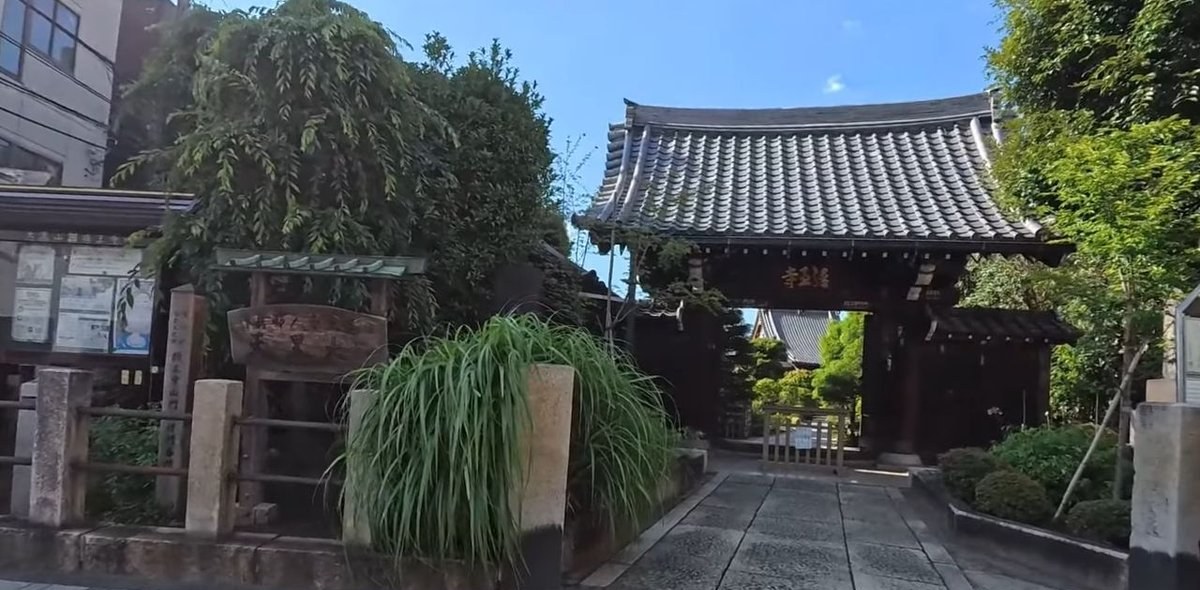 The old wooden gate of Kyooji temple in Yanaka under a summer sky
A few steps further you reach Yuyake Dandan, the “sunset steps”, which look down over the whole shopping street. The name was chosen by public vote because of the beautiful sunsets you can see from the top, and stray cats like to nap around here.
Yanaka Ginza
At the bottom of the steps is Yanaka Ginza, a shopping street of only about 170 metres with around 60 small shops, most of them family-run. It grew up naturally after the war and still feels very Showa-era, with cat figures perched on rooftops and old-fashioned signs.
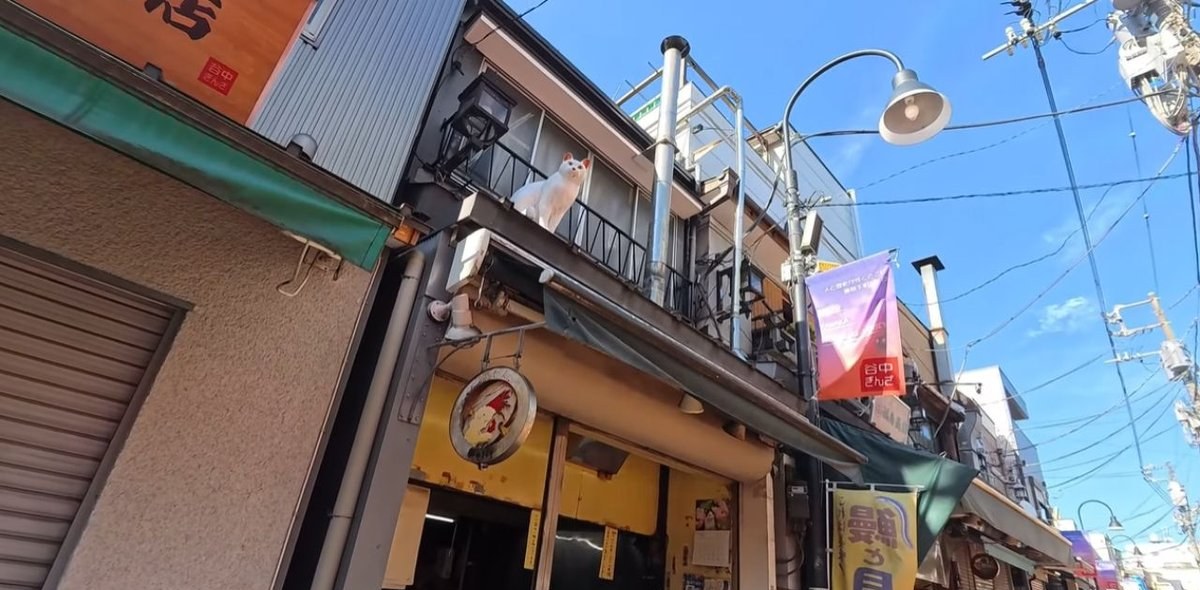 A white cat figure on the roof of a shop in Yanaka Ginza shopping street
This is a place to eat while you walk. I tried shrimp and squid shumai from a small dumpling shop (¥150 ≈ $1 USD each), then picked up hot fried snacks from the butcher and took them into the liquor shop next door, which lets you bring your own snacks and order a drink. A cold non-alcoholic beer was just ¥300 (≈ $2 USD). The famous shaved-ice café on the side street had a long queue, as it apparently does every summer day.
At the far end of Yanaka Ginza you cross Yomise-dori, a roughly 400-metre street built in 1920 over a buried river. It is quieter, with old rice shops, a sweet shop selling soft daifuku for about ¥100, and Yanaka Coffee, where an iced coffee saved my life at midday.
Nezu Shrine
I finished my walk at Nezu Shrine, one of the oldest shrines in Tokyo, about a 15-minute walk south. It is a hidden gem: a beautiful lacquered gate, a long tunnel of small red torii at the Otome Inari shrine on the hillside, and huge old trees that make it noticeably cooler than the streets outside.
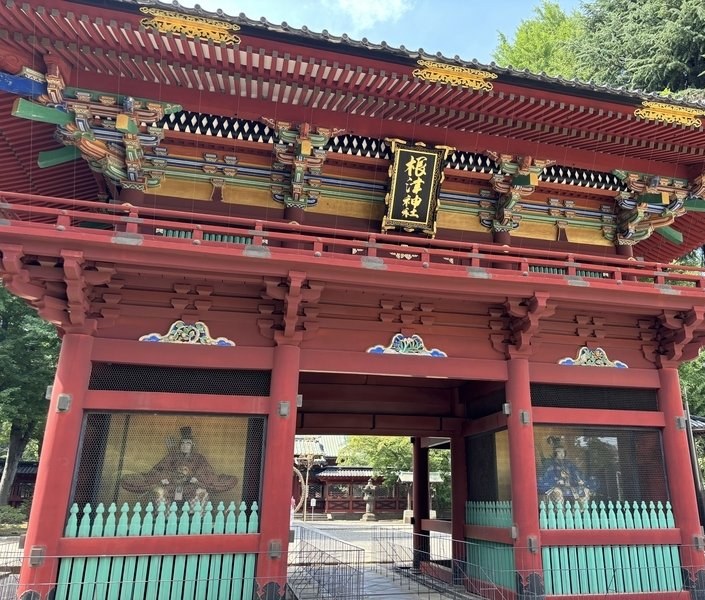 The red and gold Romon gate of Nezu Shrine surrounded by green trees
In summer the shrine holds a pinwheel festival, and when I visited, the paths were lined with racks of blue and yellow pinwheels spinning in the breeze. There was also a giant ring of woven grass in front of the gate, which you walk through to wash away the bad luck of the first half of the year.
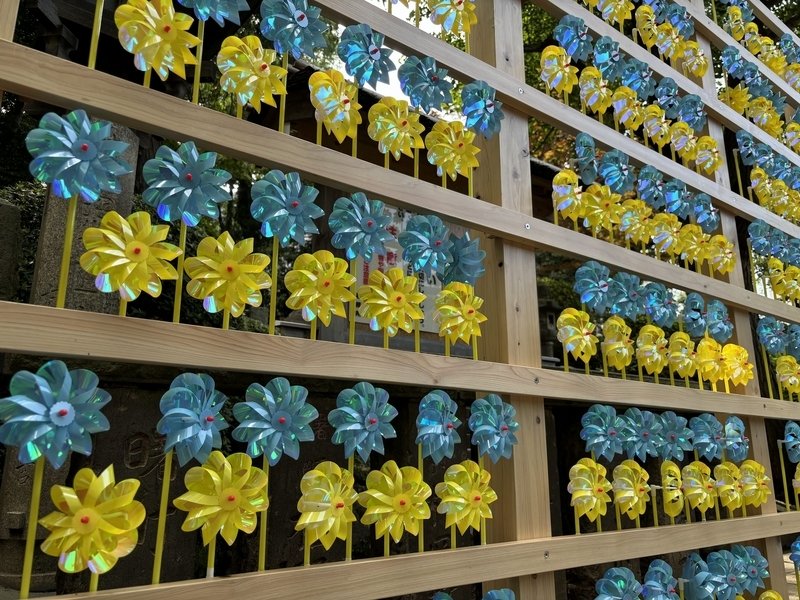 Rows of blue and yellow pinwheels at the summer festival of Nezu Shrine
Tips for Old Tokyo in Summer
- Visit Sensoji on 9 or 10 July if you can, for the hozuki market. Go in the late afternoon and stay for the evening glow.
- Start Yanesen in the morning. The streets are shaded early, and the midday sun on the shopping street is brutal.
- Walk from Nippori towards Nezu. The route flows naturally from the station through Yanaka Ginza, and you finish close to Nezu and Sendagi subway stations.
- Bring small coins. Many snack shops and old stores are tiny and prefer cash.
- Hydrate constantly. Convenience stores and vending machines are everywhere; use them.
Final Thoughts
Asakusa and Yanesen showed me a gentler side of Tokyo. Instead of neon and crowds, I found glowing lantern plants, ringing wind chimes, rooftop cats and shopkeepers who have been frying the same snacks for decades. If you only have a day for “old Tokyo”, this walk is a lovely way to spend it, even in the heat of July.