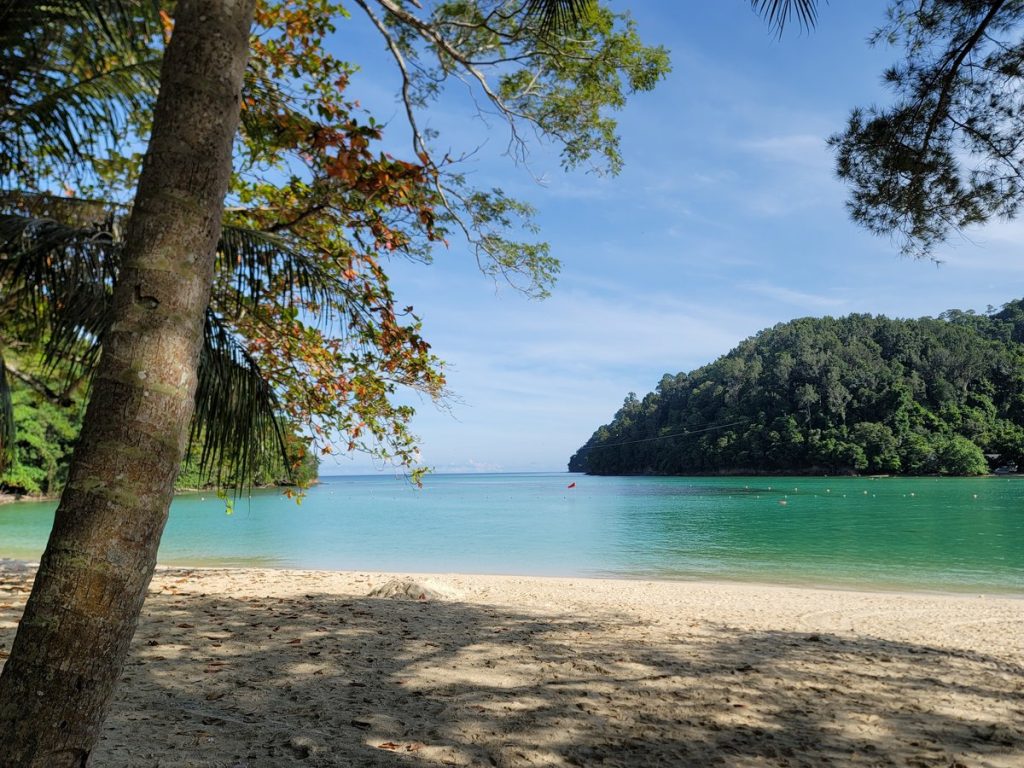
I had heard that Kota Kinabalu, the capital of Sabah on Borneo, is the kind of place where you can spend the morning snorkelling on a tropical island, be back in the city for a shower by mid-afternoon, and still have time for a famous sunset and a seafood dinner. After four lazy days there in June, I can confirm it is true. KK, as everyone calls it, is not a city of big sights. It is a city for slow, warm, easy days by the sea, and that is exactly what I needed.
Island Hopping in Tunku Abdul Rahman Park
Right in front of the city lies Tunku Abdul Rahman Park, a marine park made up of five small islands: Gaya, Sapi, Manukan, Mamutik and Sulug. The closest ones are only about 15 minutes away by speedboat, which makes them perfect for a half-day trip.
Getting a Boat
One important update: earlier this year the island boats moved from the old Jesselton Point terminal to the new South Jetty at Kota Kinabalu Port. Many blogs and maps still send you to Jesselton Point, so double-check before you set off. A Grab from the city centre takes 10 to 20 minutes.
You can join a tour that includes hotel pick-up and lunch, or do it yourself like I did. The operators sell tickets from a row of counters, and boats leave roughly every half hour from the morning. A return boat to one island was around RM45 (≈ $11 USD), or around RM55 for two islands. On top of that you pay a RM25 conservation fee when you land, and snorkel sets and life jackets can be rented for about RM10 each. Boats don’t go out in bad weather, so keep a spare day in your plan if you can.
The boat ride is short but bumpy. Hold on to your hat and sunglasses, and take something for seasickness if you need it.
Sapi Island: Small and Beautiful
My first stop was Sapi, and it was my favourite. It is a small island, but the water is a clear emerald colour and fish swim right around the jetty. Even before getting in the water, you can see shoals of them flashing in the shallows.
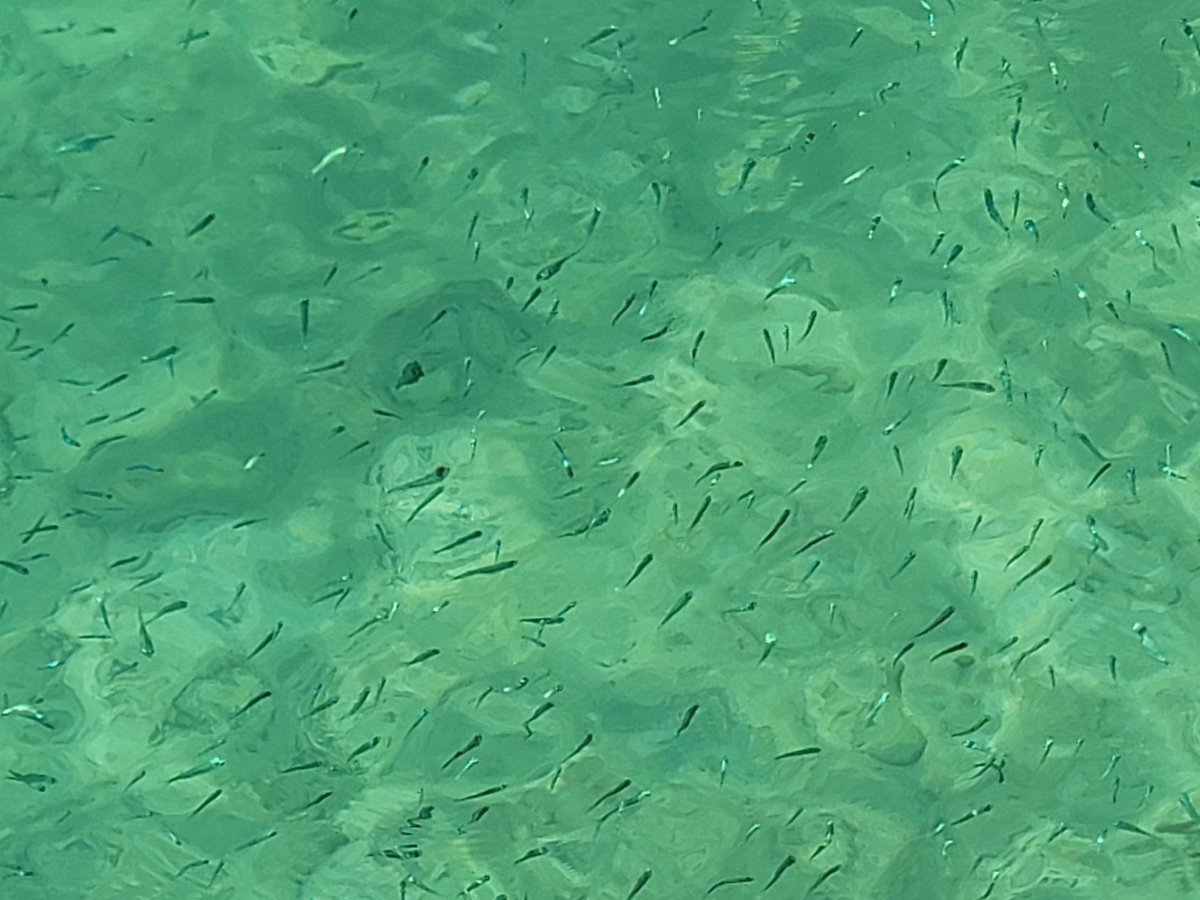 Shoals of small fish in the clear green water off Sapi Island
Sapi has changing rooms, toilets and picnic shelters, and it is the place for water sports. Besides snorkelling you can try parasailing, or sea walking, where you wear a big helmet and walk on the sea floor without needing to swim. I stuck to snorkelling and saw plenty of fish, including a few clownfish. The water is clearest in the morning, before the crowds and boats stir up the sand.
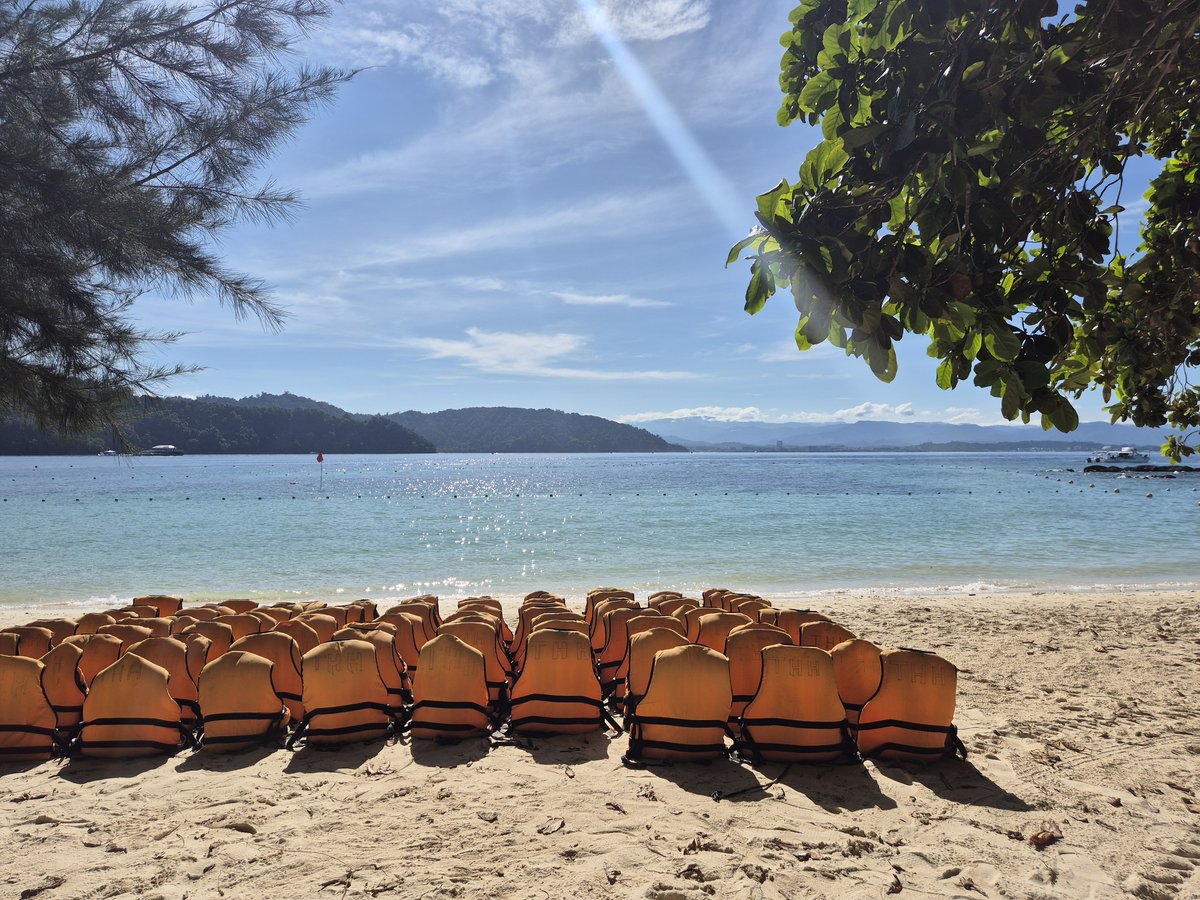 Rows of orange life jackets drying on the sand at Sapi Island
Keep an eye on the forest behind the beach. Long-tailed macaques and big monitor lizards wander around the picnic area looking for food. A guide told the group next to me not to look the monkeys in the eye, and to keep bags closed.
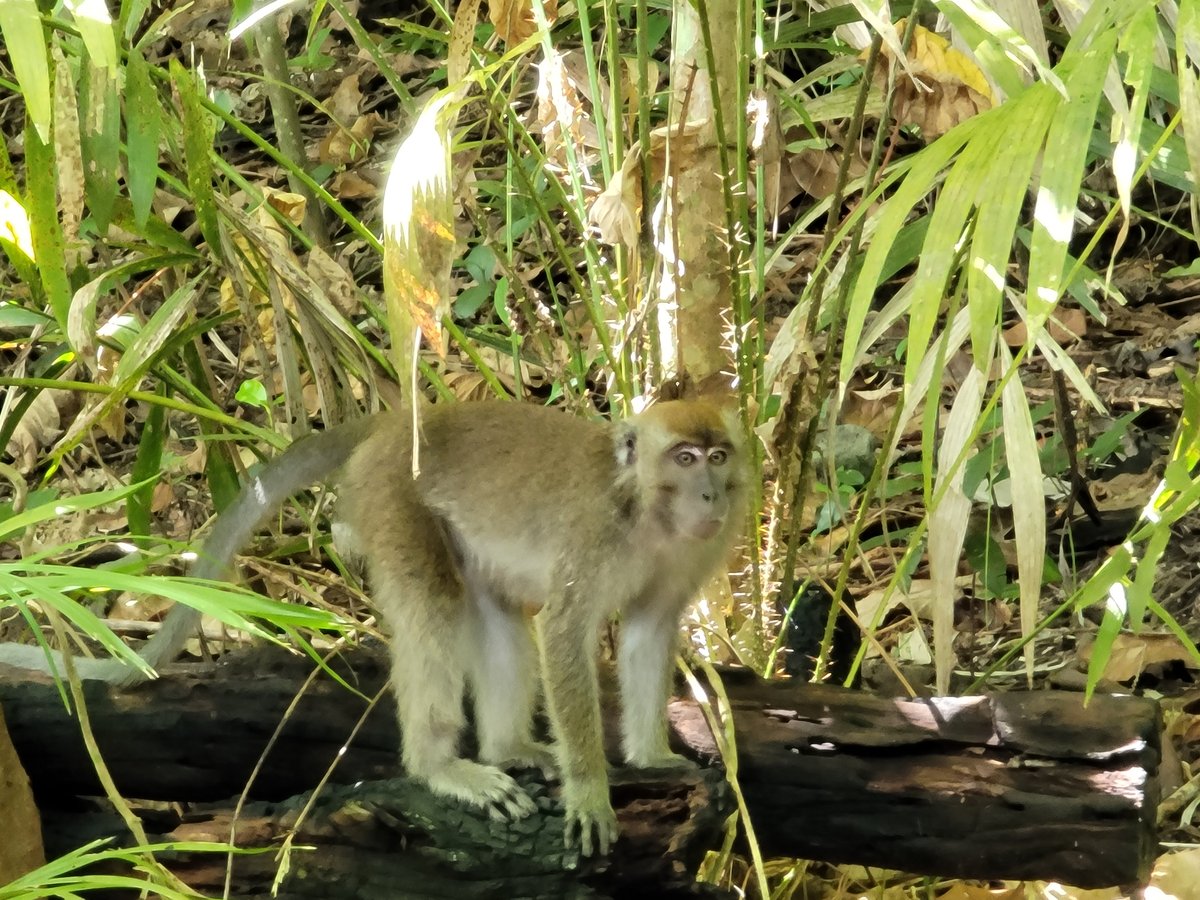 A long-tailed macaque standing on a log in the forest on Sapi Island
Many tours include a simple barbecue lunch on the island, with grilled chicken, sweetcorn and fruit. If you go on your own, there are small food stalls, but a lot of people simply bring bread, fruit and drinks. One tip I loved from another traveller: pack a cup of instant noodles. After an hour in the sea, it tastes like the best meal in the world.
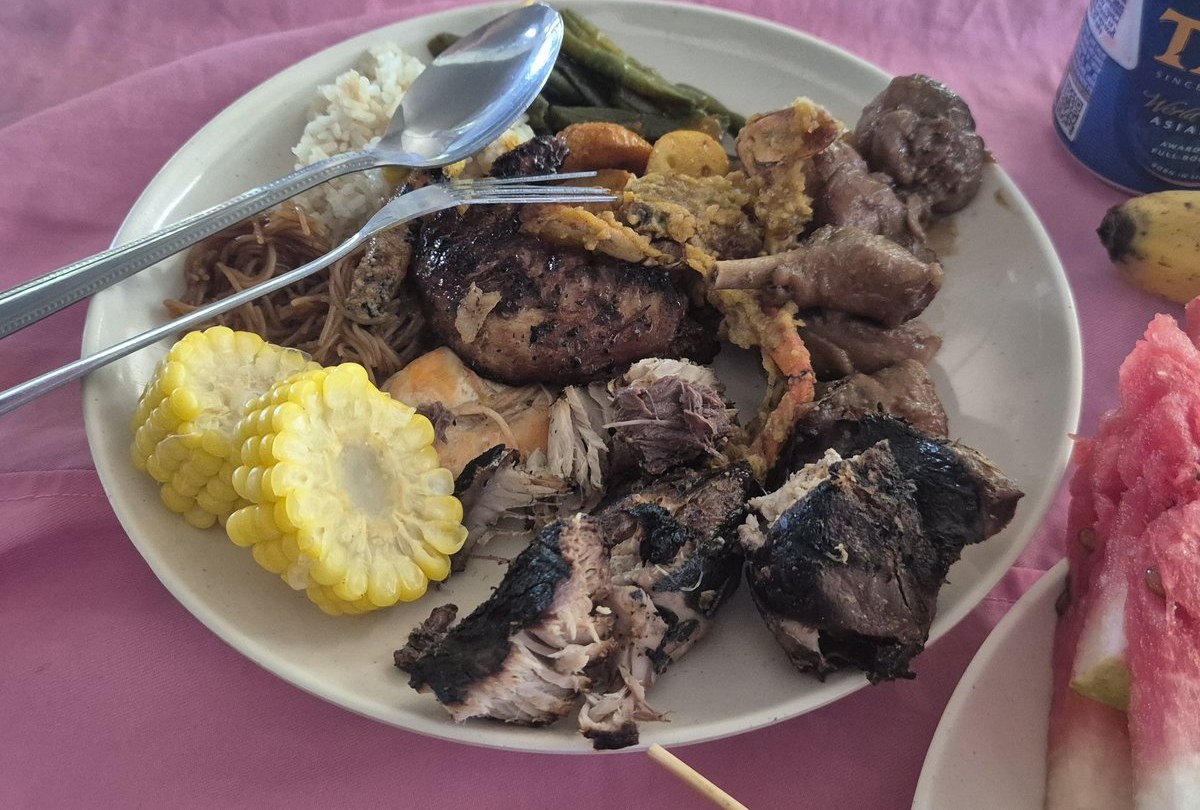 A plate of barbecue chicken, sweetcorn and fruit for lunch on the island
Manukan Island: Bigger and Busier
In the afternoon I hopped over to Manukan, the second largest island and the one with the most facilities. The beach is long, the water is clear enough to see fish from the jetty, and there are restaurants and a resort. It is also much busier, especially with tour groups, so if you prefer peace and quiet, Sapi or tiny Mamutik are better choices. I was back in the city by about 3 pm.
Sunset at Tanjung Aru
KK is famous for its sunsets, and locals love to tell you they are among the most beautiful in the world. The classic place to watch is Tanjung Aru Beach, a short Grab ride south of the centre. The sun drops right behind the islands of the marine park, and the sky turns pink, then purple, then deep orange.
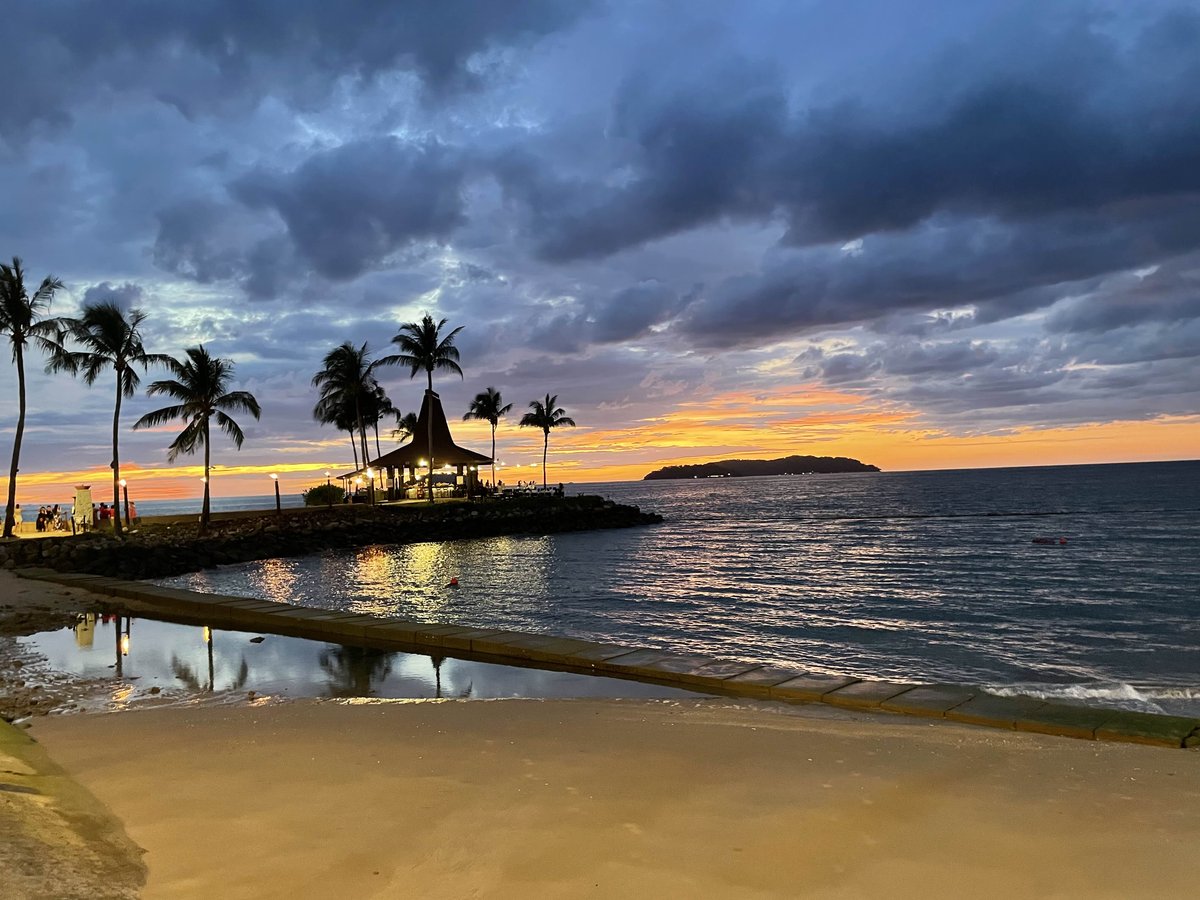 Palm trees silhouetted against an orange sunset at Tanjung Aru
The first evening, thick clouds rolled in just before sunset and I almost gave up. Luckily I stayed, because after the sun went down the clouds lit up in pink and violet, reflected on the wet sand at low tide. That was even better than a clear sunset.
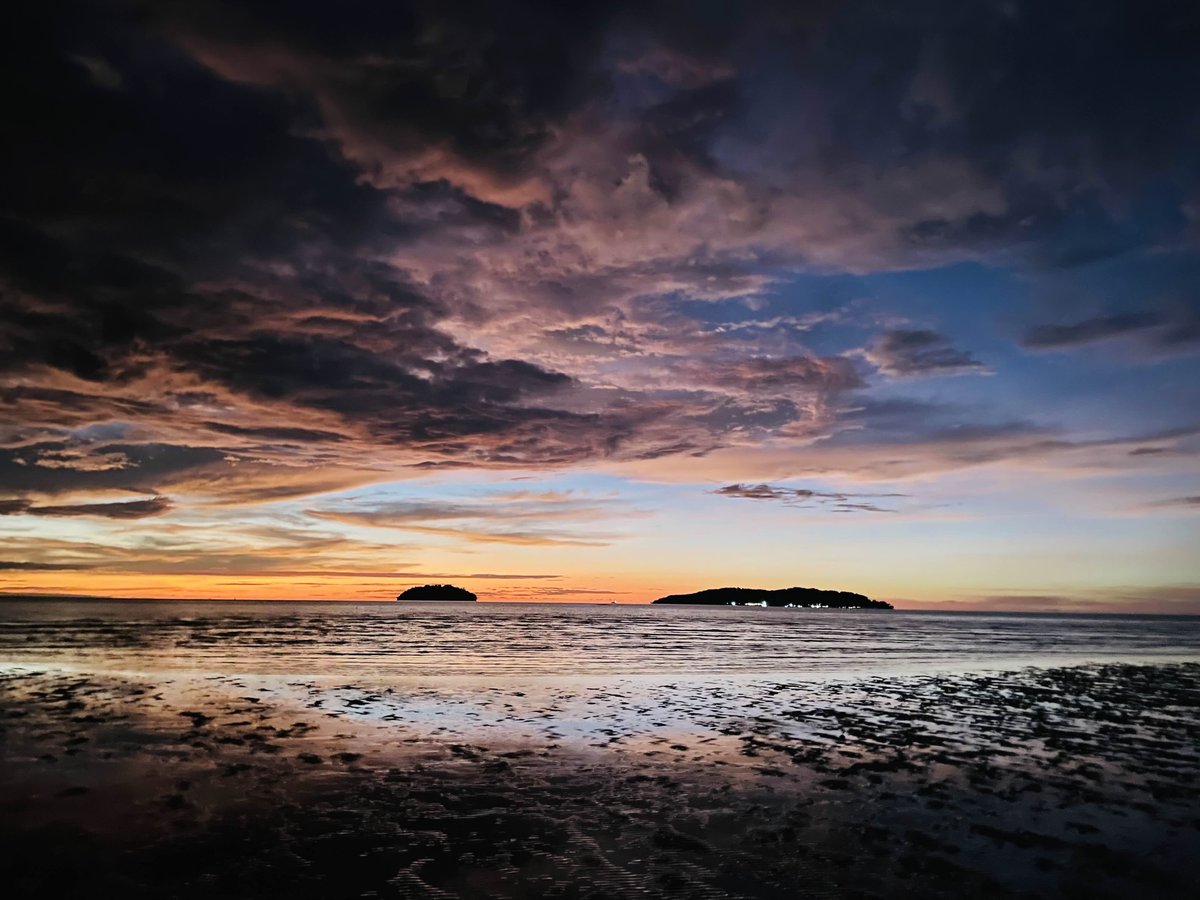 Pink and violet twilight clouds over the islands seen from Tanjung Aru beach
Seafood by the Waterfront
Back in the city, the evening plan is easy: walk along the waterfront and follow the smell of charcoal smoke to the Filipino Market, also known as Pasar Kraftangan. The best time is around 6 or 7 pm, when it is getting dark but not yet packed.
The grilled seafood section is the highlight. Stalls display the day’s catch on ice: tiger prawns, crabs, squid and all kinds of tropical fish. You point at what you want, they weigh it, and it goes straight onto the grill. Pay in cash, and don’t be shy to ask politely for a “best price”. Next door are stalls selling pearls, handicrafts and fruit. Mangoes cost around RM15 to RM20 per kilo, and I ate them every single night.
Another evening I went to one of the big, busy Chinese seafood restaurants in the city centre. A plate of prawns, egg fried rice, stir-fried water spinach and crispy squid cost a fraction of what the same meal would cost in Saigon, and the prawns were fantastic. Alcohol is pricey in Malaysia, so many diners bring a few cans of beer from a nearby supermarket.
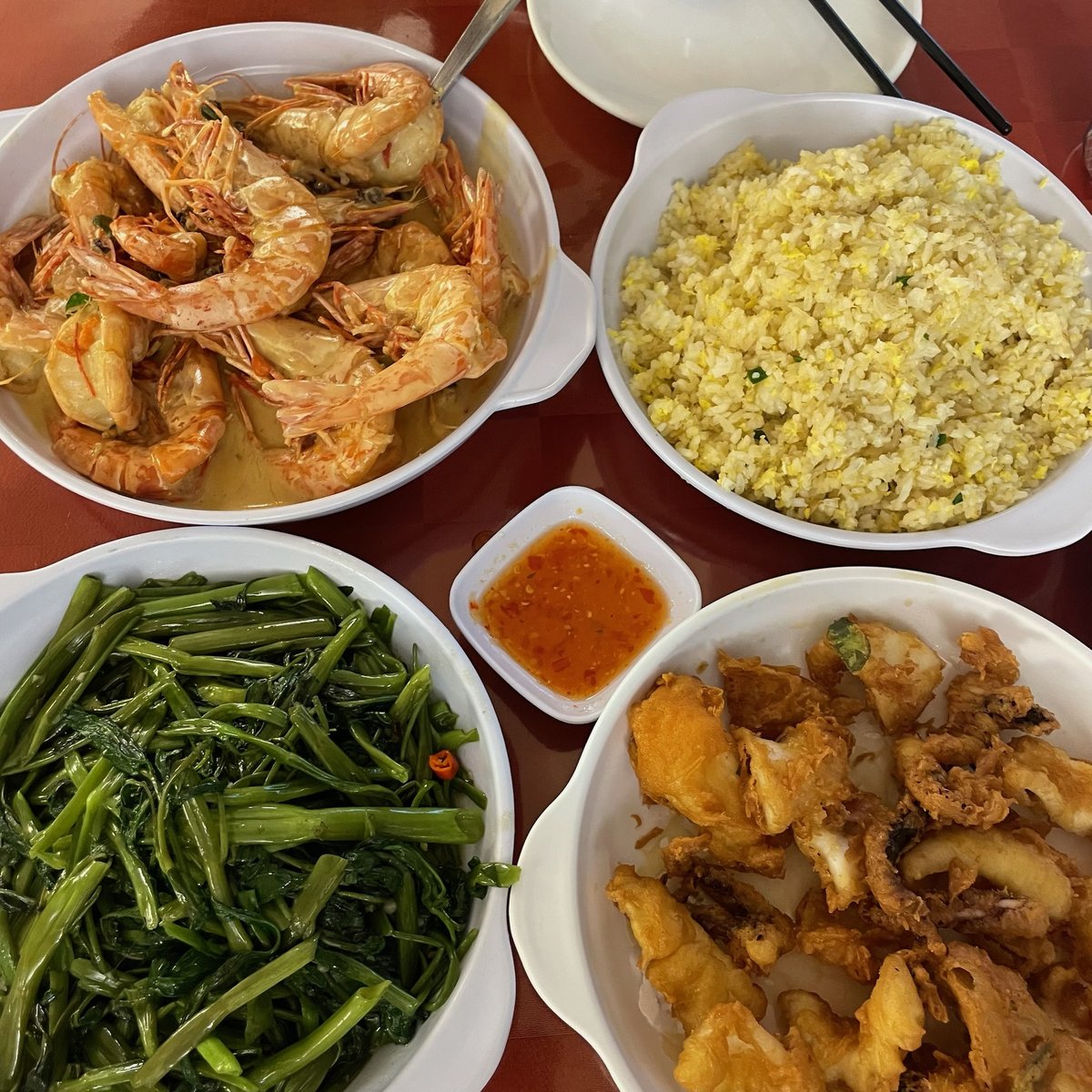 A seafood dinner of prawns, fried rice, water spinach and fried squid in Kota Kinabalu
Tips for Kota Kinabalu
- Check the jetty: island boats now leave from South Jetty, not Jesselton Point.
- Pack for the islands: a long-sleeved rash guard, water shoes for the coral, a big towel and a waterproof bag.
- Dry off before your ride home: Grab drivers don’t love wet passengers.
- Season: roughly April to October is the drier period and best for island hopping, but showers can still happen.
- Bring cash for the boats, island fees and night market.
Final Thoughts
Kota Kinabalu won’t overwhelm you with things to see, and that is its charm. Mornings on a quiet island, afternoons by the pool, sunsets on the beach and cheap seafood at night: it is the perfect short escape from the heat and noise of a big Asian city. Next time I want to add a night on one of the islands, or a day trip up towards Mount Kinabalu.